Dark Circles vs. Hollow Eyes: Why the Cause Decides the Treatment
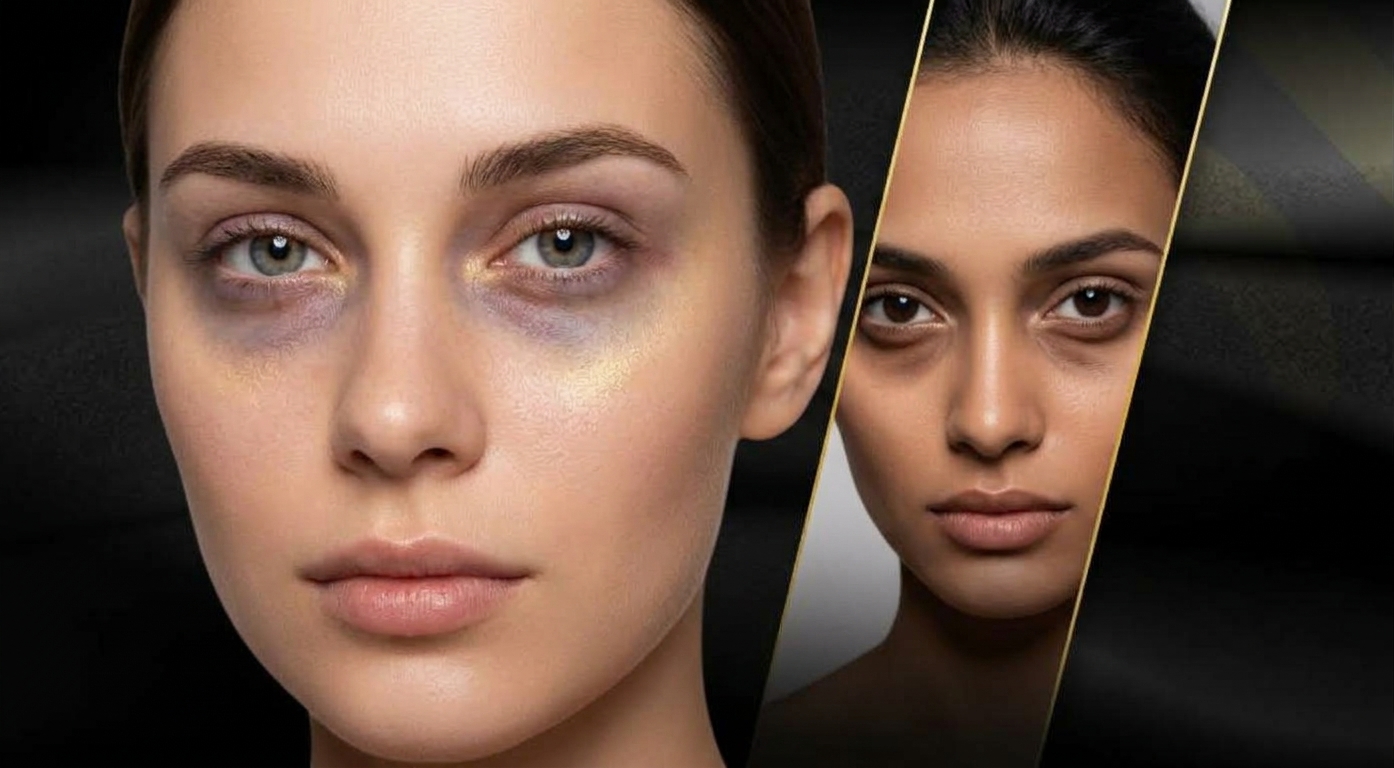
Dark Circles vs. Hollow Eyes: Why the Cause Decides the Treatment
Dark circles and hollow-looking eyes can appear similar, but they are not always caused by the same issue. Understanding whether pigmentation, shadows, volume loss, or skin changes are responsible helps determine which treatment may be appropriate.
Dark Circles and Hollow Eyes Are Not the Same
When the area beneath the eyes looks darker or more tired, it is easy to assume that the problem is simply "dark circles." However, several different factors can create a similar appearance.
Common causes include:
- Pigmentation: Increased melanin can make the skin under the eyes appear brown or darker.
- Hollowness: Loss of volume around the tear trough can create a shadow that looks like discoloration.
- Thin skin: The delicate skin beneath the eyes can make underlying blood vessels more visible.
- Tear trough shadows: The natural contour between the lower eyelid and cheek can become more noticeable with age or changes in facial volume.
- Under-eye bags: Fat protrusion can create shadows that make the surrounding area look darker.
- Skin texture: Fine lines and changes in skin quality can contribute to a tired appearance.
Because these causes are different, the same treatment will not necessarily work for everyone.
How to Tell the Difference
One useful clue is how the darkness changes with lighting.
If the appearance becomes significantly lighter when the face is illuminated from the front, shadowing from hollowness or facial contours may be contributing to the problem.
If the darker color remains relatively consistent regardless of lighting, pigmentation or visible vascularity may play a larger role.
However, these factors can also occur together. A professional assessment is often needed to identify the main contributors.
When the Problem Is Hollow Eyes
Hollowing around the eyes is often related to changes in facial volume and the natural shape of the orbital and cheek area.
When the tear trough becomes more pronounced, it can create a transition between the lower eyelid and cheek. Light then falls differently across the area, producing a shadow.
Depending on the individual's anatomy, treatment options may include:
Tear trough or under-eye filler
Fat transfer
Lower blepharoplasty
Lower eyelid fat repositioning
Treatments aimed at improving surrounding skin quality
The appropriate option depends on whether the main issue is volume deficiency, fat displacement, skin laxity, or a combination.
When the Problem Is Pigmentation
Pigmented dark circles require a different approach because adding volume does not remove excess pigment.
Depending on the cause and skin type, treatment may involve:
Targeted skincare
Sunscreen and UV protection
Chemical peels
Certain laser treatments
Treatments designed to improve overall skin quality
The cause of pigmentation should be evaluated before choosing a procedure, particularly because different types of pigmentation can respond differently to treatment.
What About Thin or Vascular Under-Eye Skin?
Sometimes the darker appearance comes partly from the visibility of blood vessels through very thin skin.
In these cases, filler may improve the appearance of shadows caused by volume loss, but it will not necessarily eliminate the underlying vascular or skin-related coloration.
A combination approach may sometimes be considered when several factors contribute to the appearance.
Dark Circles vs. Hollow Eyes: Treatment Comparison
| Main Cause | Typical Appearance | Potential Treatment Approach |
|---|---|---|
| Pigmentation | Brown or darker skin tone | Skincare, peels, selected laser treatments |
| Hollowness | Shadow or indentation | Filler, fat transfer, or surgical correction |
| Fat protrusion | Under-eye bags and shadows | Lower blepharoplasty or fat repositioning |
| Thin skin | Visible vessels or bluish tone | Skin-quality treatments, depending on cause |
| Mixed causes | Combination of darkness and shadow | Personalized combination treatment |
This table is a general guide rather than a diagnosis. More than one factor can be present at the same time.
Why Under-Eye Filler Isn't Always the Answer
Under-eye filler can be useful for selected patients with volume deficiency, but it is not a universal solution for dark circles.
If pigmentation is the primary cause, filler may not address the discoloration.
Likewise, if prominent under-eye fat or significant skin laxity is creating the problem, adding volume may not provide the desired correction.
The goal should be to identify why the area looks hollow or dark before deciding how to treat it.
How Long Do Results Last?
Longevity depends on the treatment selected.
Hyaluronic acid fillers are temporary and gradually break down over time. Skin treatments may require a series of sessions or maintenance treatments, while surgical procedures generally create longer-lasting structural changes.
Individual results vary according to anatomy, age, skin characteristics, lifestyle, and the specific technique used.
Who Should Consider an Under-Eye Assessment?
An assessment may be useful if you notice:
Persistent under-eye darkness
Pronounced tear troughs
Hollow-looking lower eyelids
Under-eye bags
Fine lines or loose skin
A combination of pigmentation and shadowing
A consultation can help distinguish between pigmentation, volume loss, fat displacement, skin changes, or a combination of factors.
Why Choose Luxora Clinic?
At Luxora Clinic, under-eye treatments are approached with attention to facial anatomy, proportion, and the specific cause of the concern.
Our approach includes:
Individual facial assessment
Personalized treatment planning
Natural-looking aesthetic goals
Evaluation of surgical and non-surgical options
Dedicated patient coordination
Follow-up throughout your treatment journey
For international patients traveling to Istanbul, Luxora also provides coordinated services including VIP transportation, hotel accommodation, personal assistance, and post-treatment follow-up.
Treat the Cause, Not Just the Appearance
Dark circles and hollow eyes may look similar in photographs, but the underlying causes can be very different.
Pigmentation may require a skin-focused approach, while true hollowness may respond to volume restoration or surgical correction. When multiple factors are involved, a combination of treatments may be considered.
The first step is understanding what is actually creating the appearance.
Discover the right approach for your under-eye concerns with a personalized consultation at Luxora Clinic in Istanbul.